St. Francis de Asissi - Taos, NM
The Living Shadow of History: San Francisco de Asís Mission Church
In the heart of Ranchos de Taos, New Mexico, stands a structure that feels less like a building and more like an extension of the earth itself. The San Francisco de Asís Mission Church, completed in 1816, is one of the most photographed and painted churches in the world—and for good reason. It is a masterpiece of Spanish Colonial architecture and a testament to the enduring spirit of the Taos community.

A Fortress of Faith
Built between 1772 and 1816, the church was designed as a fortress as much as a place of worship. Its massive adobe walls, some over six feet thick, were built to protect the Franciscan fathers and their parishioners from raiding parties.
What makes the church iconic, however, is its sculptural silhouette. Unlike the ornate cathedrals of Europe, San Francisco de Asís is defined by its soft, rounded buttresses and organic lines. It is a structure of "continuous renewal"; because it is made of sun-dried mud bricks and straw, it must be hand-plastered with fresh mud every year—a communal tradition known as enjarre.

Through the Eyes of Artists
While the front of the church is traditional, with its twin bell towers and wooden doors, it is the rear view that captured the imagination of the 20th century’s greatest artists.
Georgia O'Keeffe famously described it as "one of the most beautiful buildings left in the United States by the early Spaniards." Her paintings stripped the church down to its most basic, powerful forms.
Ansel Adams used his camera to capture the dramatic play of light and shadow against the mud-plastered curves, cementing its image in the American consciousness.
The Mystery of "The Shadow of the Cross"
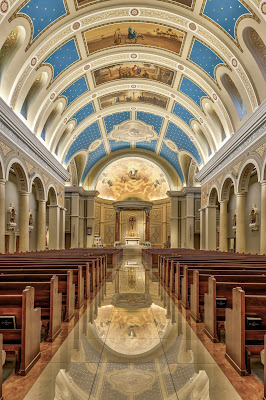
Inside, the church maintains a quiet, cool atmosphere thick with incense and history. It houses an impressive collection of santos (statues of saints) and retablos (altar paintings).

However, many visitors come for a different kind of miracle: the "Shadow of the Cross" painting by Henri Ault. In normal light, it depicts Christ by the Sea of Galilee. But when the lights are extinguished, the painting glows, and a mysterious shadow appears over Jesus' shoulder, transforming the scene into a silhouette of the crucifixion.

Visiting Ranchos de Taos
Today, the church remains an active parish. When you visit, you aren't just looking at a monument; you are stepping into a living history where the boundary between the desert floor and the divine feels incredibly thin.

Whether you are drawn by art, architecture, or faith, San Francisco de Asís stands as a reminder that some things are worth the labor of constant preservation.


Comments
Post a Comment